Who Are You Loyal To When the Brand Is a Bot?
Seven years in marketing, and I'm no longer sure loyalty is the right goal.
Originally published 2017 · Updated 2026
Around 2017, I wrote an article about customer loyalty in the age of disruption. I was working as an Omnichannel Marketing Manager, watching my company go through a massive organizational transformation to keep pace with customer expectations. My argument was straightforward: technology was changing everything, but human relationships were still the core of loyalty. Data and machines were tools to amplify the human side of marketing — not replace it.
I still believe parts of that. But the question I didn't know how to ask then is the one I can't stop thinking about now.
What I argued then
The marketing world in 2017 was obsessed with disruption — a word that had already become so overused it was losing meaning. Underneath the buzzword, though, there were three real forces reshaping the industry: faster technology adoption, a generational shift in customer behavior, and globalization increasing competition from every direction.
My response to all of this was essentially: don't forget the human. Yes, invest in omnichannel experiences, yes, use data intelligently — but remember that what actually builds loyalty is relationships. I had witnessed this firsthand: while my company invested heavily in marketing technology, the most meaningful change in our customer service model was hiring not call center agents, but consultative listeners. People trained not to close a ticket but to build a relationship.
And then there was the Engineers Club — a closed community of technical buyers who met once a month for dinner to talk about everything except our brand. No product pitches, no sales agenda. Just people with shared values and a space to connect. It wasn't a new idea, but it worked. Seven years later, it still exists.
What I see today
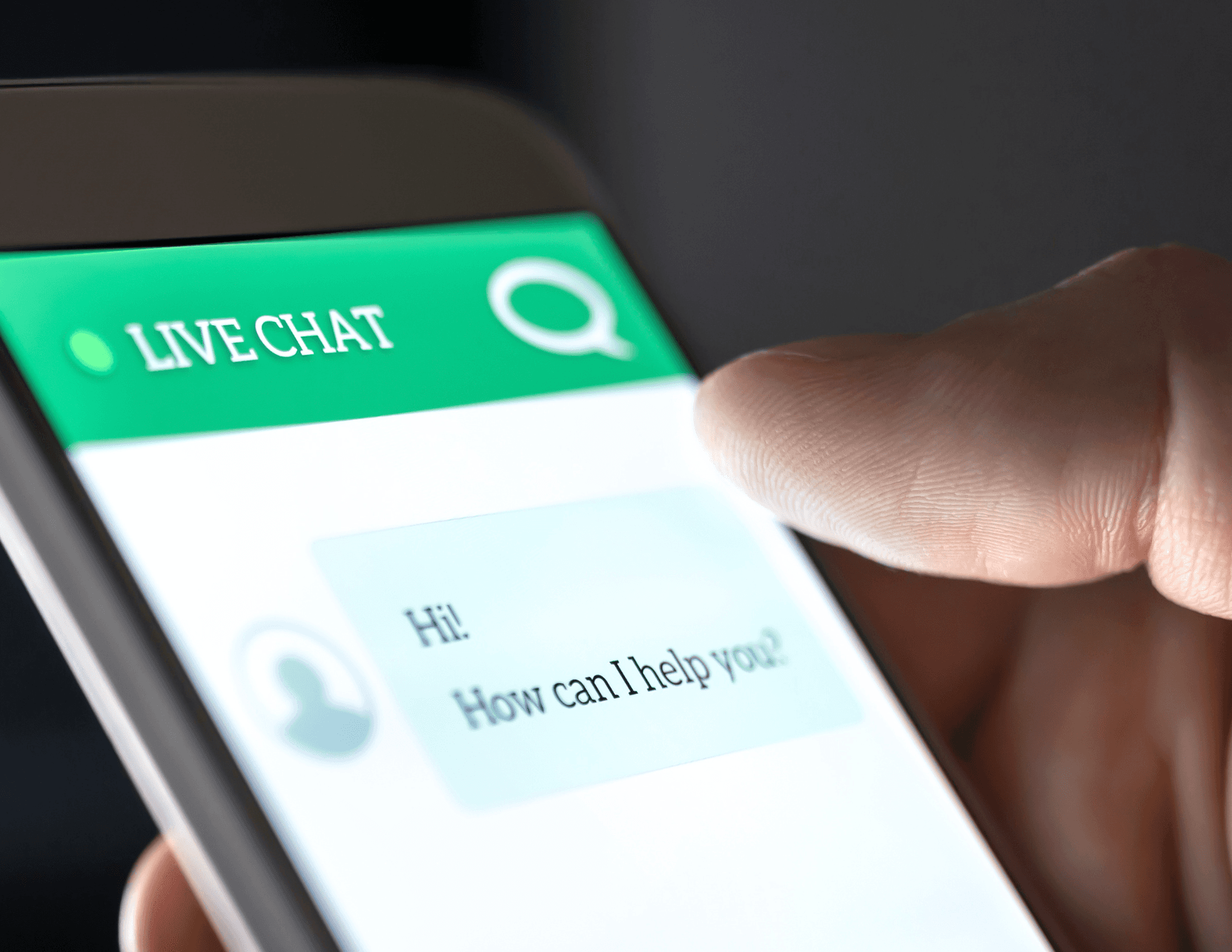
Here's what's changed: a customer can now have fifty interactions with a brand without speaking to a single human being. Chatbots handle inquiries, AI personalizes recommendations, automated sequences nurture leads through the entire purchase journey. And increasingly, customers don't just tolerate this — they prefer it.
There's something paradoxical happening that I've been turning over in my head: people who hesitate to call a company because they don't want to deal with a stranger will interact freely with an AI. No awkwardness, no social friction, no feeling judged for not knowing something. The barrier disappears precisely because there's no human on the other side.
So what does that do to loyalty?
If the relationship was always the foundation — and I believed it was — what happens when the relationship is with a system that has no memory of you beyond your data profile, no investment in your success beyond your retention score, and no capacity to actually care whether you come back?
The question nobody is asking cleanly
I think we've been conflating two things that are worth separating.
There's loyalty to a brand — which was always somewhat abstract, a feeling of preference and trust toward a name, a logo, a promise. And then there's loyalty to people — the account manager who knew your name, the sales rep who called you before you realized you had a problem, the community of peers who made you feel like you belonged somewhere.
The Engineers Club survived not because of the brand. It survived because of the dinner. Because of the conversation that had nothing to do with the product. Because somewhere in that room, a vendor stopped being a vendor and became something more like a colleague.
That's not scalable. That's not measurable in a dashboard. And in a world optimizing for efficiency, it's exactly the kind of thing that gets cut first — right before the numbers start to quietly decline and nobody can explain why.
Where I think this is going
The brands that are winning on loyalty today are not necessarily winning on relationships. They're winning on seamlessness — the product works, the experience is frictionless, the value is undeniable. Apple doesn't need you to love a person at Apple. Amazon doesn't need you to feel seen. They need you to never have a reason to leave.
That's a different kind of loyalty. Or maybe it's not loyalty at all — maybe it's just switching cost dressed up in brand language.
In B2B, where I've spent most of my career, the calculus is more complicated. Enterprise technology decisions involve months of evaluation, multiple stakeholders, and relationships that span years. The human element doesn't disappear — but I'm watching a younger generation of buyers who grew up preferring to chat over calling, to self-serve over being guided, and to research independently before ever speaking to a salesperson. The one-to-one dinner model still works, but I'm not sure it's because it's the best model. I think it works because the people running it haven't let it go yet.
The question I'm sitting with
If loyalty was always partly about the people behind the brand, and those people are gradually being replaced — what exactly are we asking customers to be loyal to?
I don't think the answer is that loyalty is dead. I think the answer is that we built a lot of our loyalty strategies around something more fragile than we realized — human connection — and we're only now beginning to understand what happens when that gets optimized away.
The Engineers Club still meets for dinner. For now, someone still shows up.
And I think that matters. I'm just not sure how much longer it will.